Learn Home
Learn

Plant-based and vegan nutrition, made for Africa.

Warm, evidence-based guides from Coach Boniswa, founder of Eat More Plants. Combining nutrition science, African food traditions and practical tips you can use in any kitchen on the continent.

Plant Protein

Where do African vegans really get their protein?

From cowpeas to sorghum, the continent's plant-protein toolkit is older and richer than the protein myth suggests.

The protein question follows every plant-based eater in Africa. The honest answer is that the continent has fed warriors, farmers and long-distance walkers on plants for generations. Cowpeas, bambara groundnuts, lentils, sugar beans, peanuts and sorghum are the original protein toolkit. Soy, tofu, tempeh and seitan extend it with concentrated options that fit modern training and fitness goals.

Adults need roughly 0.8 to 1.2 grams of protein per kilogram of body weight daily, rising to 1.6 grams or more for athletes building muscle. A varied plant-based plate that hits daily calorie needs almost always covers protein comfortably. Combining legumes with whole grains across the day, such as morogo and samp, or lentils with sorghum porridge, delivers a complete amino-acid profile.

Practical rule: anchor every meal around a fist-sized portion of legumes, soy or seitan. Snack on peanuts, pumpkin seeds or peanut butter on whole-grain bread. Plant protein arrives packaged with fibre and phytonutrients, which support gut health, satiety and long-term metabolic health in ways animal protein does not.

FoodProtein (g)Notes
Sorghum11Per 100 g dry, gluten free
Millet11Per 100 g dry, indigenous African grain
Tempeh20Fermented soy, gut friendly
Avocado4Healthy fats, creamy texture
Ground Peanuts26Eat raw, ground or as butter
Lentils9Quick to cook, no soaking
Chickpeas9Versatile, base for hummus and stews
Tofu (firm)16Versatile, set with calcium
Bambara groundnuts19Indigenous African legume
Cowpeas11Drought tolerant, traditional
Brown beans9Pantry staple, batch cook
Seitan25Wheat-based, highly concentrated
Plant protein per 100 g cooked or prepared
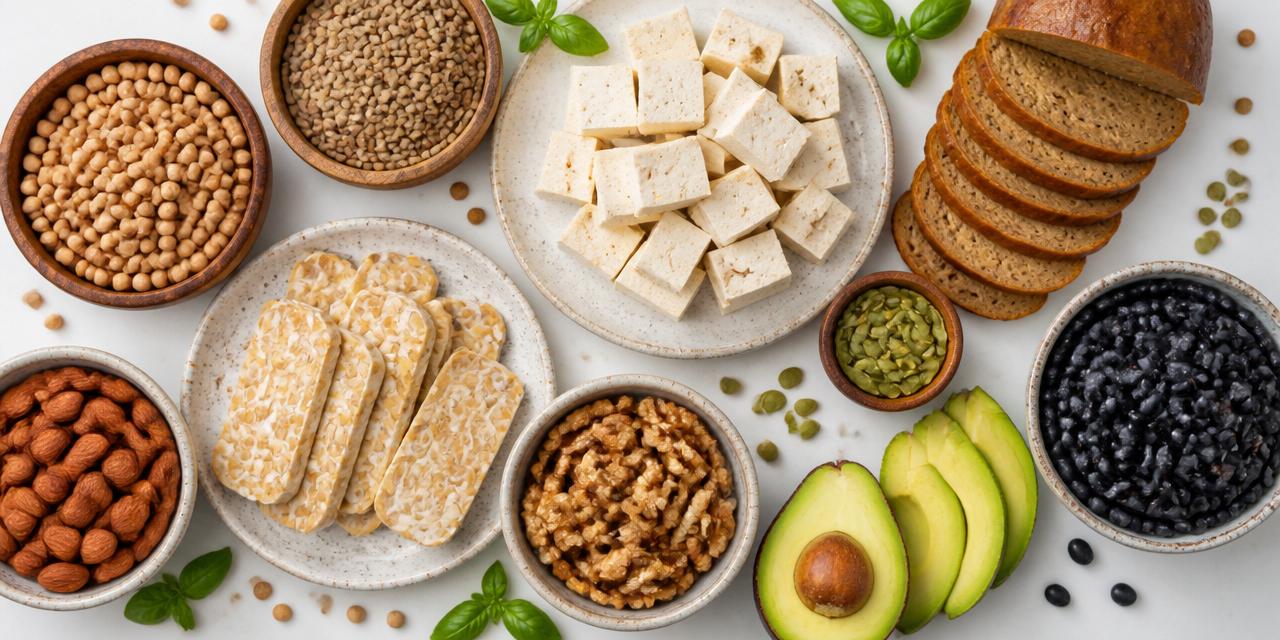
Plant proteins spread: lentils, chickpeas, tofu, tempeh, seitan, nuts and seeds

Fibre

Why fibre is your gut's best friend

How sorghum, beans, morogo and whole grains feed a thriving microbiome.

Fibre is the part of plants we do not digest, and it is the single most under-eaten nutrient on the continent. The recommended daily intake is at least 25 g for women and 30 g for men, yet most adults eating a mixed diet manage only 12 to 15 g. A well-planned plant-based diet routinely delivers 40 g or more, which improves bowel regularity, blunts blood-sugar spikes, lowers LDL cholesterol and feeds the trillions of beneficial bacteria in the colon.

Soluble fibre, found in oats, beans, apples and chia seeds, dissolves into a gel that slows digestion and feeds short-chain fatty acid producing microbes. Insoluble fibre, abundant in whole grains like sorghum and millet, leafy greens like morogo and vegetable skins, adds bulk and speeds transit time, reducing the risk of constipation, diverticular disease and colon cancer.

Hit the target with simple swaps: choose brown rice over white, leave the skin on potatoes and amadumbe, add half a cup of beans to stews, sprinkle ground flax on porridge and snack on fruit with skin. Increase intake gradually over two weeks and pair with plenty of water to avoid temporary bloating while your microbiome adapts.

FoodServingFibre (g)
Cooked brown beans1 cup15
Cooked lentils1 cup15
Sorghum porridge1 cup12
Avocado1 medium10
Morogo (cooked)1 cup7
Chia seeds2 tbsp10
Apple with skin1 medium4
Daily fibre at a glance
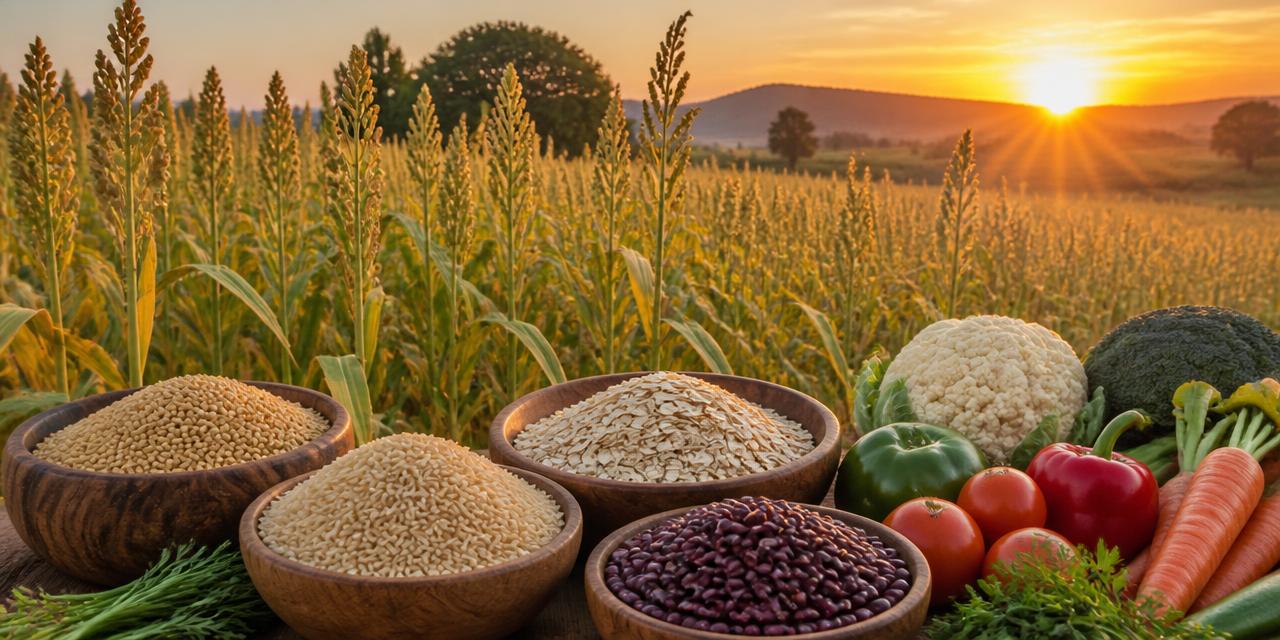
Golden sorghum field with bowls of whole grains, beans and fresh vegetables

African Plants

Rediscovering Africa's indigenous plant pantry

Cassava, millet, sorghum, moringa, okra, amadumbe, morogo and baobab, foods that already feed the continent.

Long before imported grains and packaged foods reached African shelves, the continent fed itself on a remarkable diversity of indigenous plants. These crops are climate-resilient, nutrient dense and culturally familiar. Choosing them is not nostalgia; it is one of the most practical, sustainable and affordable ways to eat more plants in Africa today.

Cassava and amadumbe are starchy roots that fuel hard physical work. Sorghum and millet are gluten-free grains rich in iron, magnesium and B vitamins. Moringa leaves deliver complete protein and exceptional vitamin and mineral density. Okra adds soluble fibre that supports blood-sugar control. Morogo, the family of wild leafy greens that includes amaranth and pigweed, is one of the most nutrient-dense vegetables in the world. Baobab fruit is packed with vitamin C and prebiotic fibre.

Build a week around these foods: sorghum or millet porridge for breakfast, amadumbe or sweet potato with bean stew for lunch, cassava and morogo for dinner. Layer in moringa powder, peanuts, baobab and seasonal fruit. Coach Boniswa believes that the most powerful plant-based plate in Africa is the one that already exists in our food culture, simply rediscovered.

PlantTypeStandout nutrients
SorghumWhole grainIron, magnesium, B vitamins
MilletWhole grainManganese, magnesium
CassavaStarchy rootCarbohydrates, vitamin C
AmadumbeStarchy rootPotassium, fibre
Moringa leafLeafy greenComplete protein, vitamin A
MorogoLeafy greenIron, calcium, beta-carotene
OkraVegetableSoluble fibre, vitamin K
Baobab fruitFruitVitamin C, prebiotic fibre
Bambara groundnutLegumeProtein, iron, zinc
Indigenous African plants worth bringing back
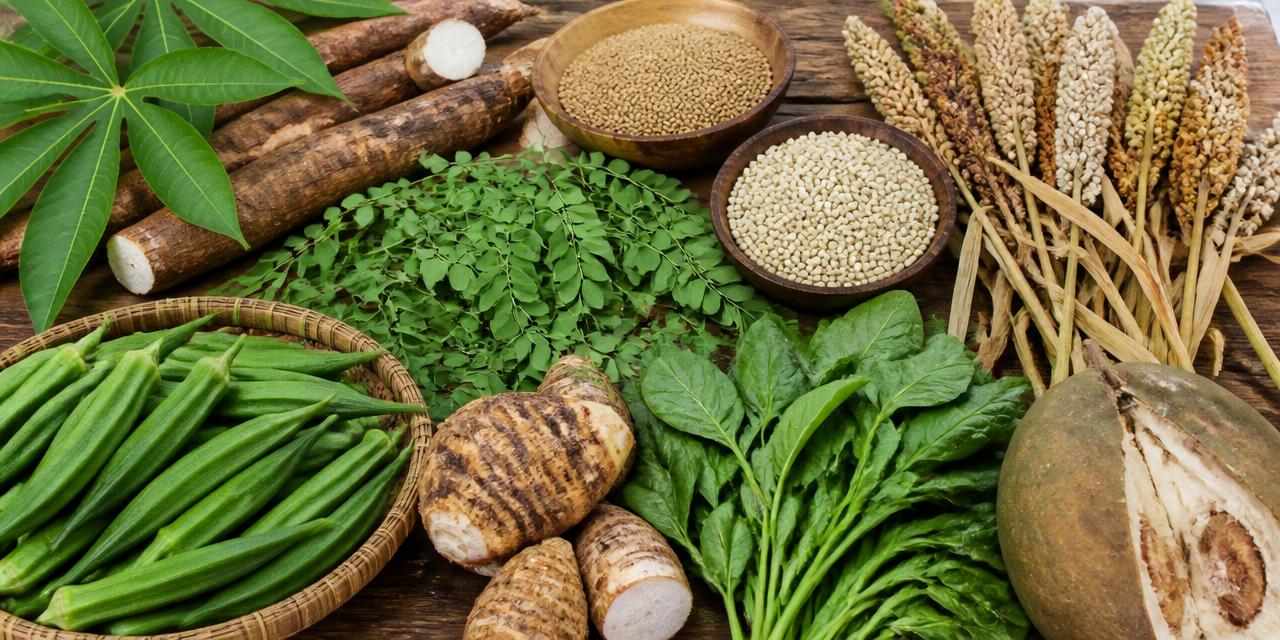
Indigenous African crops including cassava, moringa, sorghum, okra, morogo and baobab

Vitamins and Minerals

Iron, B12, calcium and zinc on a plant-based plate

What to eat, what to supplement and how to track levels.

Four nutrients deserve special attention on a plant-based diet. Vitamin B12 is not reliably produced by plants and must come from fortified foods or a daily supplement of 25 to 100 micrograms. This is non-negotiable for long-term nerve and blood health.

Iron from plants is non-haem, absorbed best when paired with vitamin C from citrus, peppers or tomatoes at the same meal. Lentils, beans, tofu, pumpkin seeds, morogo and other dark leafy greens are excellent sources. Calcium comes from tofu set with calcium sulphate, fortified plant milks, sesame seeds, tahini, broccoli, kale, baobab and figs. Adults need around 1000 mg per day.

Zinc, important for immunity and skin, is found in legumes, whole grains, nuts and seeds. Soaking and sprouting improves absorption. Annual blood work to check ferritin, vitamin B12, vitamin D and zinc is a sensible practice for anyone on a long-term plant-based diet.

NutrientAdult daily targetBest plant sources
Vitamin B122.4 mcg (supplement)Fortified plant milk, B12 tablets
Iron8 to 18 mgLentils, tofu, morogo, pumpkin seeds
Calcium1000 mgTofu, tahini, fortified plant milk, baobab
Zinc8 to 11 mgBeans, chickpeas, pumpkin seeds, oats
Vitamin D600 to 800 IUSunlight plus a supplement in winter
Omega-3 (ALA)1.1 to 1.6 gFlax, chia, walnuts, algae oil
Targets and plant sources
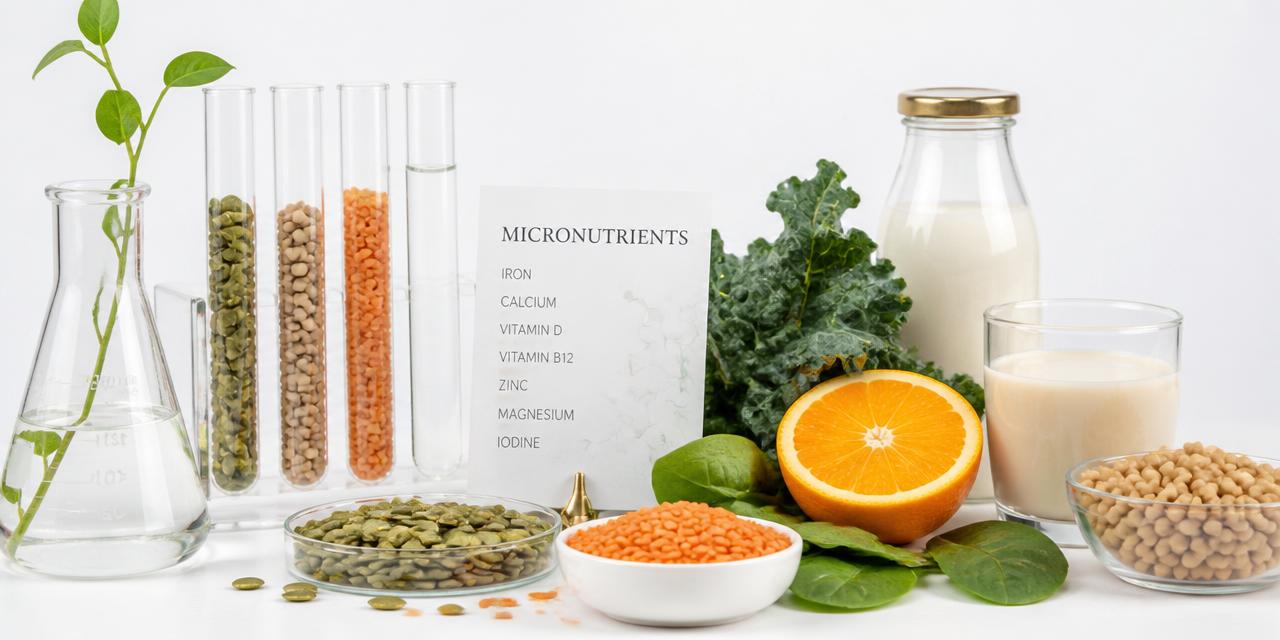
Elegant micronutrient composition with laboratory glassware and nutrient-rich plant foods

Hydration

Hydration beyond plain water

Hibiscus, rooibos, coconut water, soups and fruit, hydration the Afrocentric way.

Adults need roughly 30 ml of fluid per kilogram of body weight daily, more in hot climates or during exercise. Plain water is the foundation, but a plant-based diet adds a remarkable amount of fluid through food. Watermelon, oranges, cucumbers, tomatoes and leafy greens are 85 to 95 percent water, and a generous bowl of vegetable soup or stew can replace one to two glasses of water.

African beverages contribute too. Unsweetened hibiscus tea, rooibos, herbal infusions and coconut water all hydrate while delivering antioxidants and electrolytes. Sugary cold drinks and excessive caffeine do the opposite, drawing fluid out and stressing the kidneys.

Simple habit: drink a glass of water with every meal, carry a refillable bottle, eat fruit between meals, and lean on soups and stews in cooler months. Pale yellow urine is a reliable daily indicator that you are drinking enough.

ItemServingFluid contribution
Watermelon200 g180 ml
Cucumber150 g145 ml
Orange1 medium120 ml
Vegetable soup1 bowl300 ml
Hibiscus tea1 cup240 ml
Coconut water1 cup240 ml
Plain waterGlass250 ml
Hydration from common foods and drinks
Infused water pitcher with cucumber and mint, hibiscus tea and fresh herbs

Carbohydrates

Smart African carbs for steady energy

Sorghum, millet, amadumbe, sweet potato and brown rice, fuel that lasts without the crash.

Carbohydrates are the body's preferred fuel, especially for the brain and working muscles. The problem is not carbs themselves but the form they arrive in. Refined flours and added sugars spike blood glucose and leave you tired an hour later, while whole-food carbohydrates release energy slowly and arrive packaged with fibre, vitamins and minerals.

Build daily energy on whole grains like sorghum, millet, oats, brown rice and whole-wheat bread; starchy vegetables like sweet potato, butternut, cassava, amadumbe and plantain; legumes; and fresh fruit. These foods have a lower glycaemic load, support insulin sensitivity and provide sustained energy for long working days, school, training and recovery.

Active people typically need 4 to 7 g of carbohydrate per kilogram of body weight daily. Save refined sugar and white flour for occasional treats, not daily staples.

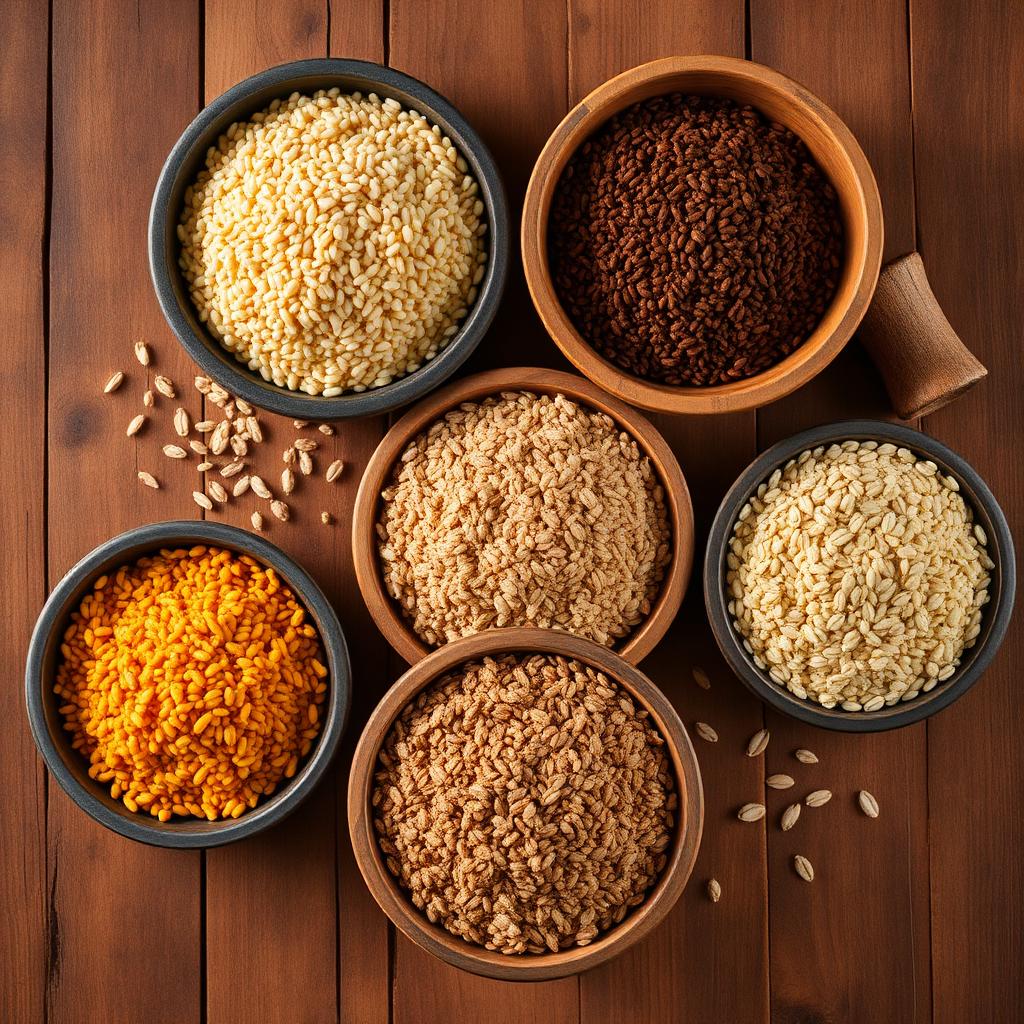
Bowls of sorghum, millet, brown rice and African whole grains on a rustic wooden surface

Healthy Fats

Avocado, nuts and seeds: building meals with smart fats

Omega-rich plant fats for brain, hormone and heart health.

Fat is not the enemy; the type of fat is what matters. Plant-based diets are naturally rich in unsaturated fats, which lower LDL cholesterol, support hormone production and carry fat-soluble vitamins A, D, E and K through the body. Coconut and palm oil are the only common plant sources high in saturated fat and are best used sparingly.

Prioritise whole-food fats: half an avocado a day, a small handful of nuts, two tablespoons of seeds and a teaspoon of extra-virgin olive oil drizzled over cooked food. Walnuts, chia seeds, flaxseeds and hemp seeds provide alpha-linolenic acid, the plant-based omega-3 the body converts to EPA and DHA.

Two tablespoons of ground flax or chia daily is a simple insurance policy. An algae-based omega-3 supplement is a reliable backup for anyone over 40 or pregnant.

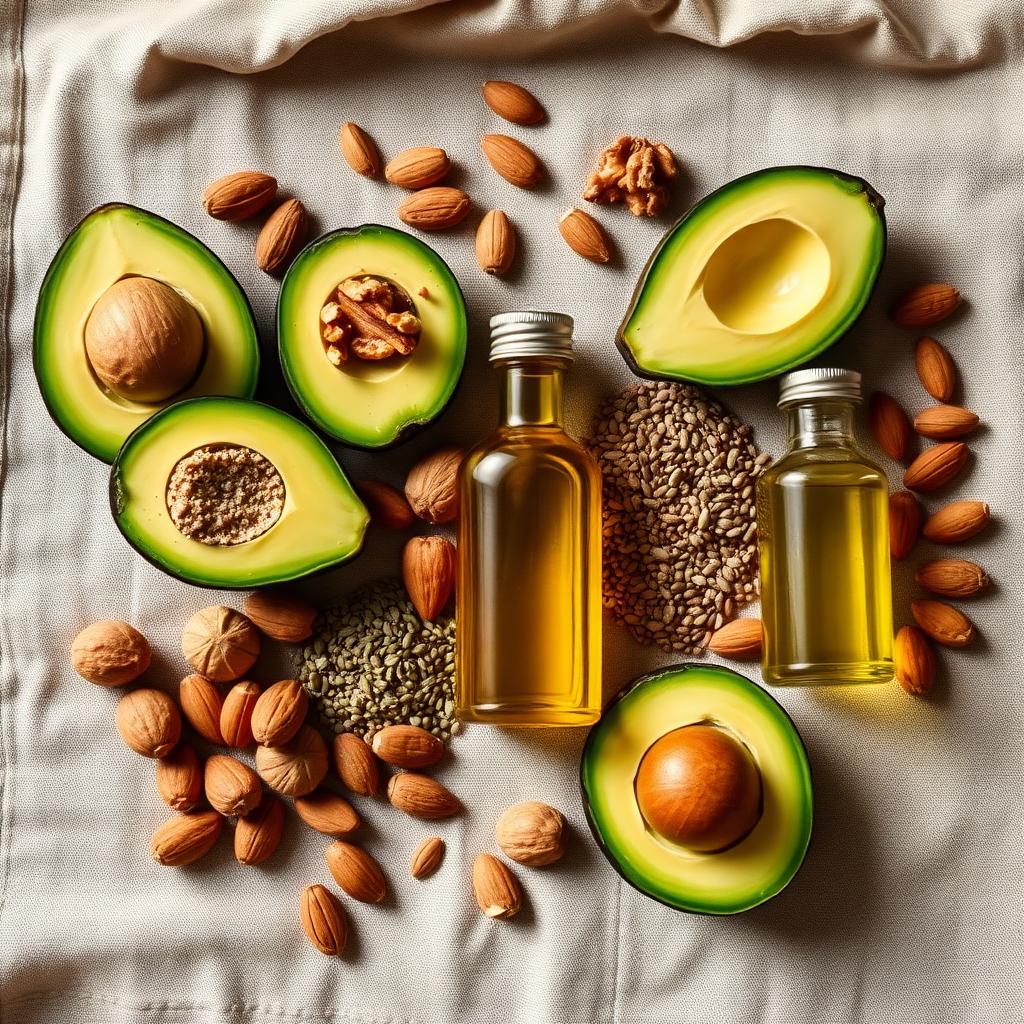
Flat lay of avocado, walnuts, almonds, chia, flax, hemp and sesame seeds with olive oil

Sustainable Eating

Eating gently on the planet

Local, seasonal and indigenous foods for a lower-impact plate.

The single biggest dietary lever for reducing personal greenhouse-gas emissions is shifting toward plants. Beef alone produces roughly 60 kg of CO2 equivalent per kilogram of food, while beans and lentils sit below 1 kg. A predominantly plant-based diet uses up to 75 percent less land and water than a typical mixed diet.

Sustainability is not only about what you avoid but what you choose. Local, seasonal produce travels shorter distances, supports regional farmers and tastes better. Indigenous African crops like sorghum, millet, cowpeas, amadumbe, morogo and baobab are climate-resilient, drought-tolerant and adapted to local soils.

Practical steps: shop weekly markets, plan meals around what is in season, batch-cook legumes from dry, store food properly to reduce waste and compost peels where possible.

Foodkg CO2e per kg
Beef60
Lamb24
Cheese21
Chicken10
Tofu3
Lentils0.9
Beans0.8
Vegetables0.5
Greenhouse gas footprint per kilogram of food
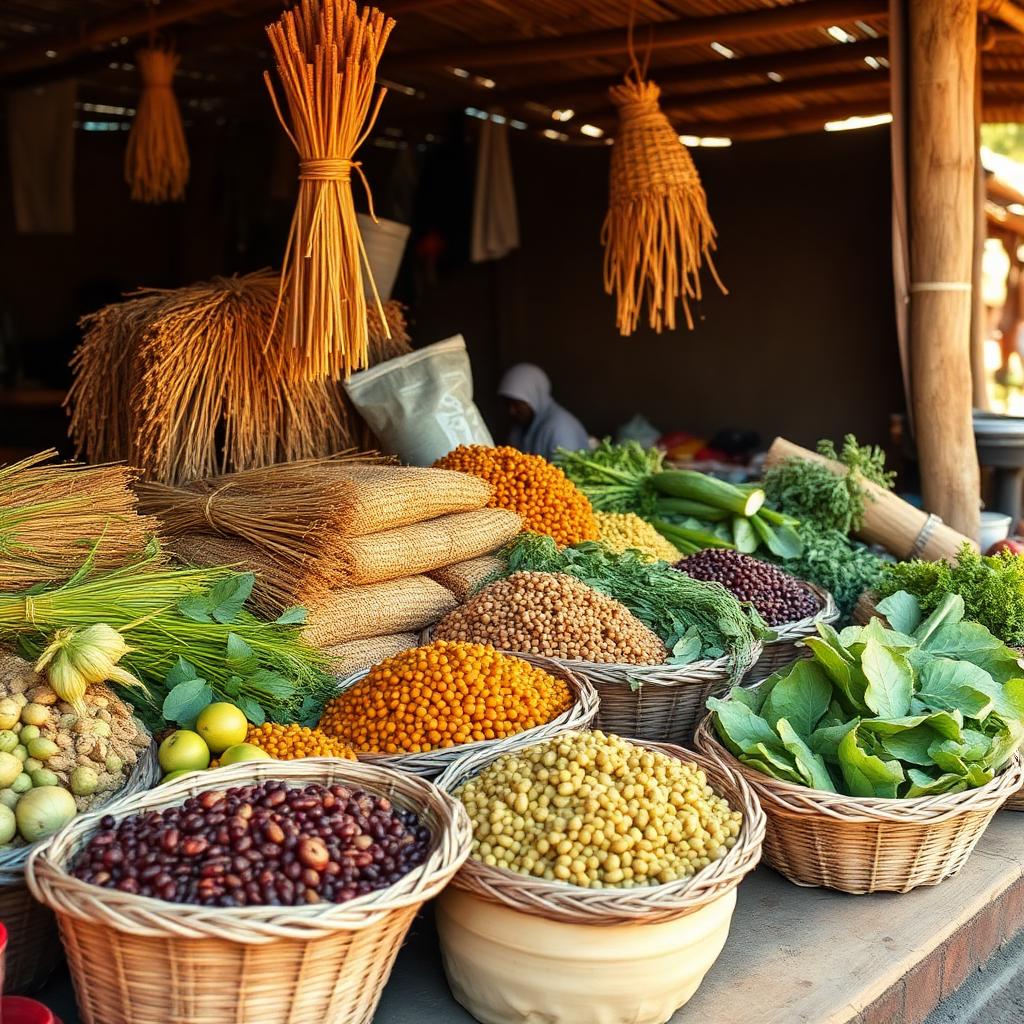
Vibrant African market stall with sorghum sheaves, legumes and indigenous leafy greens

Sports Nutrition

Fuel for plant-based athletes

Pre, intra and post-workout meals built on plants.

Plant-based athletes from Olympic sprinters to ultramarathoners have proven that performance does not depend on animal protein. The keys are sufficient calories, well-timed carbohydrates, adequate protein and smart recovery. Most active adults need 1.4 to 2.0 g of protein per kilogram of body weight on training days, split across four to five meals.

Pre-workout, eat a carbohydrate-rich meal two to three hours before training: oats with banana and peanut butter, or sweet potato with beans. Closer to a session, a banana, dates or a slice of fruit toast provide quick energy.

Within 60 minutes after training, combine carbohydrates with 25 to 30 g of protein to maximise glycogen and muscle repair: a smoothie with soy milk, frozen berries, banana and pea protein; or rice with beans and tofu. Iron, vitamin B12 and creatine are worth monitoring for serious trainers.

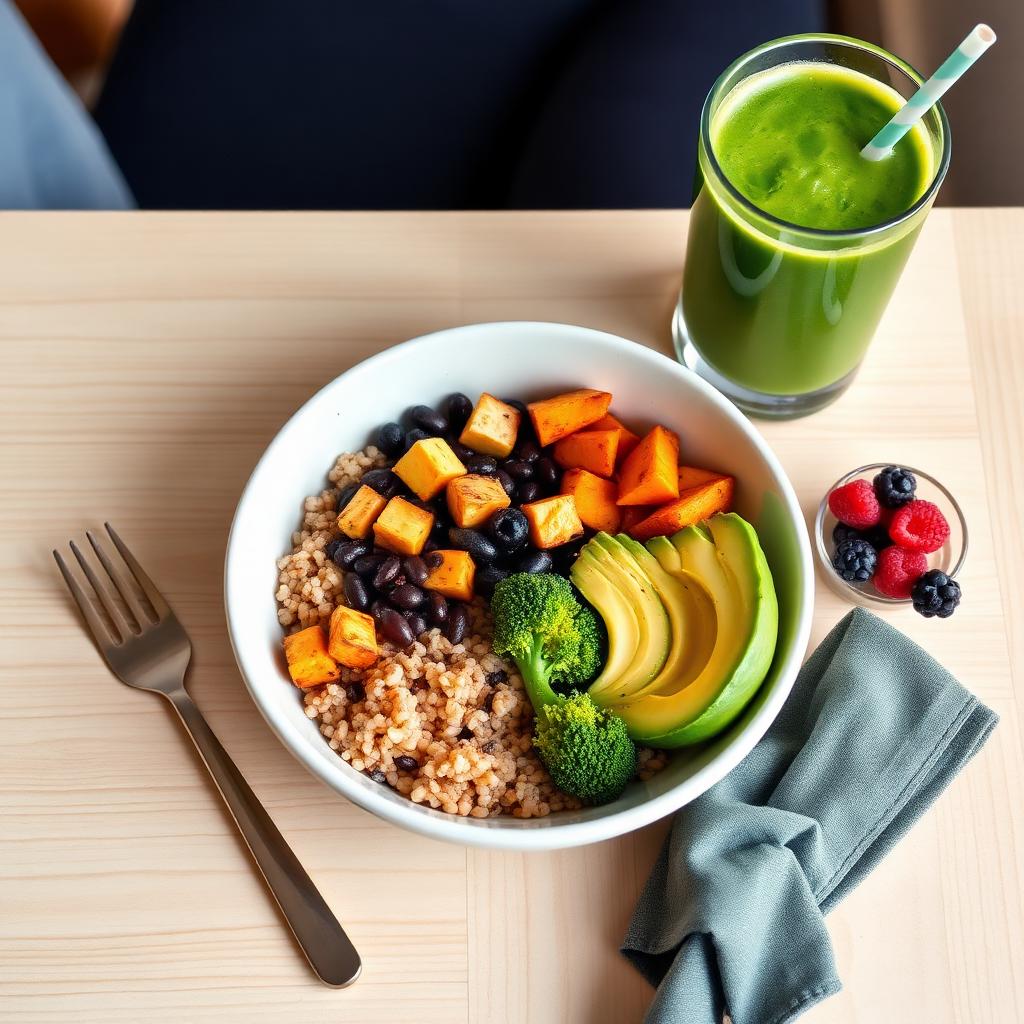
Plant-based athlete recovery bowl with brown rice, beans, tofu, vegetables and a green smoothie

Meal Planning

A simple weekly plant-based meal plan

Three meals, two snacks, zero stress.

Meal planning is the difference between sustaining a plant-based lifestyle and giving up at week three. The simplest framework uses three building blocks per meal: a whole grain or starchy vegetable, a protein-rich legume or soy product, and a generous portion of vegetables, finished with a healthy fat and a flavour booster like spices, herbs or sauce.

Sample day: breakfast is sorghum porridge with banana, peanut butter and cinnamon; mid-morning snack is fruit and a small handful of nuts; lunch is brown rice with lentil curry and steamed morogo; afternoon snack is hummus with carrots and whole-grain crackers; dinner is sweet potato with chickpea stew, sauteed spinach and avocado.

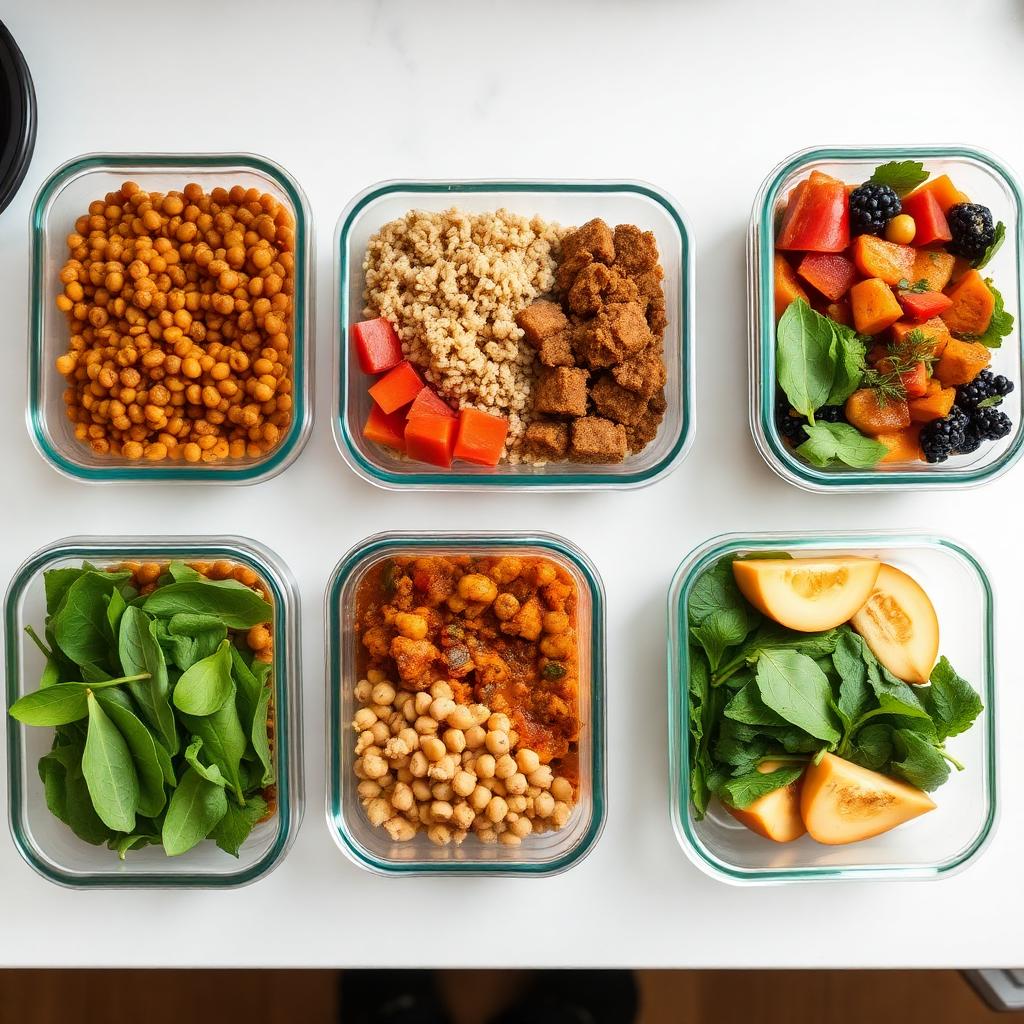
Batch-cooking on Sunday is the single highest-leverage habit: prepare two cups of dry beans, one cup of dry grains and roast a tray of vegetables. Mix and match through the week into bowls, wraps, soups and salads.

Weekly meal prep containers with lentils, brown rice, roasted vegetables and fresh greens

Affordable Eating

Plant-based on a budget

Bulk beans, in-season produce and waste-free cooking.

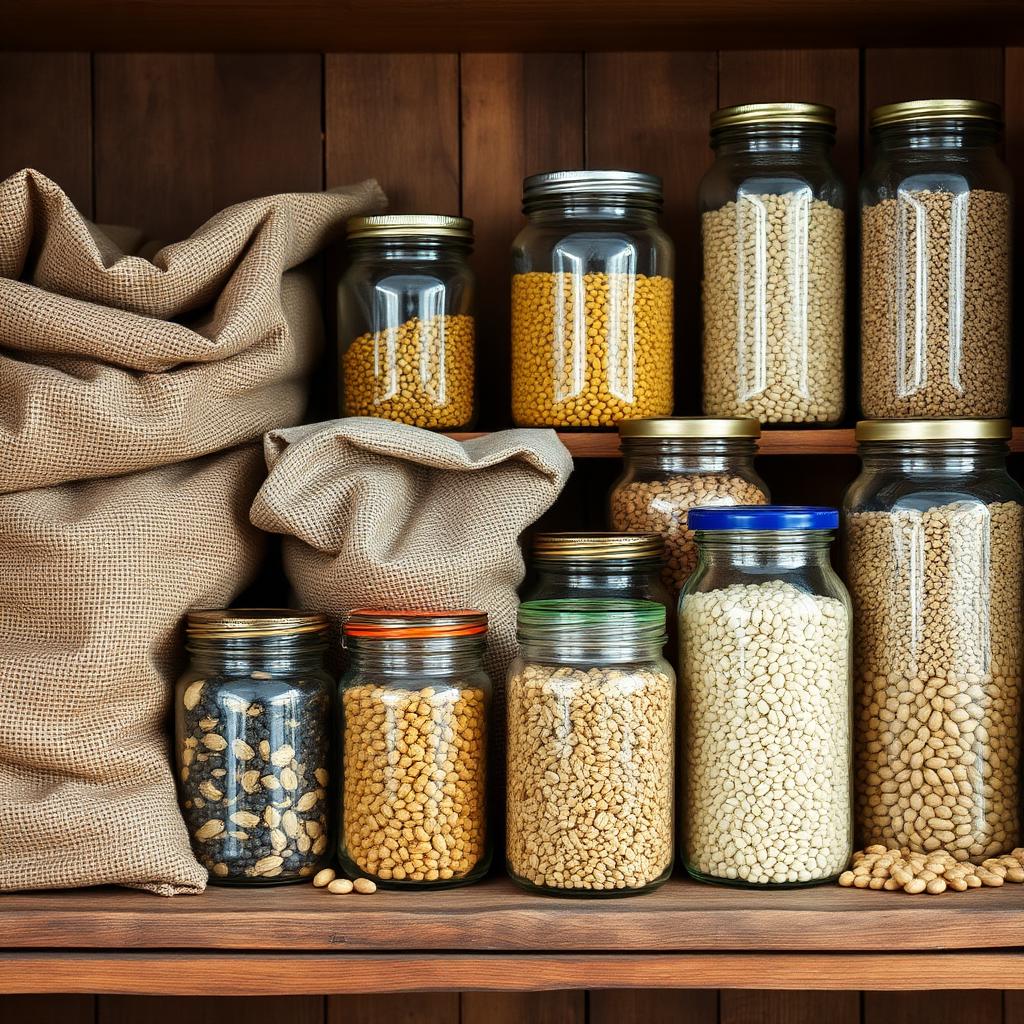
The cheapest food on supermarket shelves is almost always plant-based. Dried beans, lentils, rice, oats, sorghum, samp, peanut butter, frozen vegetables and seasonal produce cost a fraction of meat, dairy or processed meat alternatives. A nourishing week of plant-based eating can cost less than half of an equivalent mixed diet.

Three habits make the biggest difference: buy staples in bulk and cook dried legumes yourself, plan around what is in season at the farmer's market, and waste nothing. Stale bread becomes breadcrumbs, vegetable peels go into stock, ripe bananas freeze for smoothies, and leftover beans transform into hummus or patties.

Skip what you do not need. Specialty vegan cheeses, pre-made meat substitutes and packaged snacks are convenience luxuries, not staples.

Affordable plant pantry: jars of beans, lentils, sorghum, samp, rice, oats and peanuts on a rustic shelf

Weight Management

Plant-based weight management without dieting

Lose fat sustainably by changing what you eat, not how much.

Plant-based diets are consistently associated with lower body weight and lower obesity rates, not because of restriction but because of food density. Whole plants are high in water, fibre and volume relative to their calorie content, so meals feel satisfying without delivering an excess of energy.

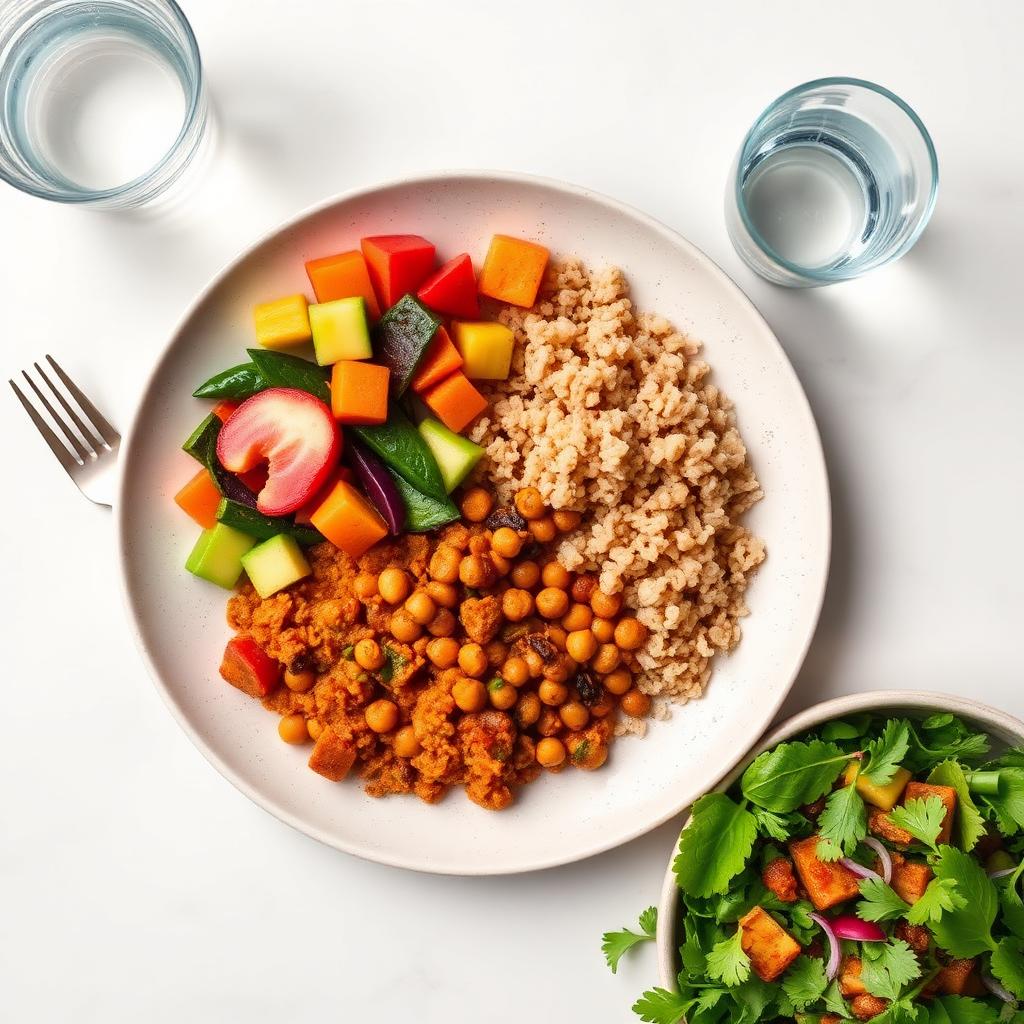
For sustainable fat loss, focus on whole foods, fill half your plate with non-starchy vegetables, eat protein at every meal to preserve muscle, and minimise refined oils and sugary drinks. Resistance training two to three times a week protects lean mass during a calorie deficit and reshapes body composition.

Avoid extreme calorie cuts and meal-skipping; these slow metabolism and increase rebound weight gain. A modest 300 to 500 calorie daily deficit produces gentle, lasting fat loss of around 0.5 kg per week with full energy and minimal hunger.

Balanced plant-based plate with half vegetables, brown rice and a chickpea stew, with water

Vegan Myths

Busting the top seven vegan myths

From protein to cost to taste, the honest, evidence-based answers to the questions every plant-based eater in Africa hears.

Every plant-based journey attracts the same set of doubts, usually delivered as friendly warnings at family gatherings and gym change rooms. Below are the seven myths Coach Boniswa hears most often, each with a short explanation, the evidence and a practical insight you can use immediately.

Myth 1: Vegans can't get enough protein

Explanation
The oldest and loudest concern. It assumes protein is only 'complete' when it comes from meat, eggs or dairy.
Evidence
Every whole plant food contains all nine essential amino acids in varying amounts. A varied plant-based day that meets calorie needs — legumes, whole grains, soy, nuts and seeds — comfortably delivers 60 to 120 g of protein. Long-lived populations in the Blue Zones average 10 percent of calories from protein, mostly from beans.
Coach Boniswa insight
Anchor each meal around a fist-sized portion of legumes, tofu, tempeh or seitan and snack on peanuts, pumpkin seeds or peanut butter. Protein is a daily total, not a per-meal panic.

Myth 2: Plant-based eating is expensive

Explanation
People confuse specialty vegan cheeses and packaged meat alternatives with the everyday plant-based plate.
Evidence
Dried beans, lentils, rice, oats, sorghum, samp, peanut butter, seasonal produce and frozen vegetables are among the cheapest calories per rand on the continent. A nourishing plant-based week can cost half of an equivalent mixed diet.
Coach Boniswa insight
Buy dry legumes and grains in bulk, batch-cook on Sundays and shop the weekly farmer's market for seasonal produce. Skip the vegan convenience aisle unless it's a treat.

Myth 3: You'll always feel tired

Explanation
The assumption is that without meat, energy and iron will crash within weeks.
Evidence
Well-planned plant-based diets are consistently linked to better energy, deeper sleep and improved athletic performance. Plant iron is absorbed well when paired with vitamin C at the same meal (citrus, peppers, tomatoes).
Coach Boniswa insight
Pair lentils, beans, tofu and morogo with a squeeze of lemon or a side of pepper. If fatigue is real, check ferritin, B12 and vitamin D with a blood test rather than assuming it's the diet.

Myth 4: Plant food is bland

Explanation
This usually comes from people who have only tried steamed vegetables and undressed salads.
Evidence
African, Indian, Ethiopian, Thai and Middle Eastern cuisines have built centuries of intensely flavoured plant dishes on spices, herbs, peppers, fermented sauces and slow-cooked stews.
Coach Boniswa insight
Learn three flavour bases — a peanut-tomato sauce, a berbere or curry spice mix, and a garlic-chilli-lemon dressing — and every simple bean or grain bowl transforms.

Myth 5: Kids can't thrive on plants

Explanation
Parents worry about growth, brain development and social pressure at school.
Evidence
The Academy of Nutrition and Dietetics, the British Dietetic Association and the South African Vegan Society all confirm well-planned plant-based diets are appropriate for every life stage, including infancy, childhood and adolescence.
Coach Boniswa insight
For growing children ensure enough calories, protein at every meal, iron-rich foods with vitamin C, calcium-fortified plant milks and a reliable B12 supplement. Involve them in cooking so plants feel normal, not strange.

Myth 6: Soy is dangerous

Explanation
Rumours about breast cancer, low testosterone and hormone disruption follow soy everywhere.
Evidence
Large reviews of human studies show moderate soy intake (1 to 3 servings per day of tofu, tempeh, edamame or soy milk) reduces cardiovascular disease and breast-cancer risk and does not lower testosterone in men.
Coach Boniswa insight
Choose minimally processed soy — tofu, tempeh, edamame and unsweetened soy milk — over ultra-processed soy isolates and enjoy it a few times a week.

Myth 7: It's all-or-nothing

Explanation
People think you must become 100 percent vegan overnight or the whole thing is pointless.
Evidence
Both health and environmental benefits scale with how many plants you add and how much red and processed meat you subtract. Every plant-forward meal counts.
Coach Boniswa insight
Start with two full plant-based days a week, or a plant-based breakfast and lunch daily. Progress, not perfection, is the sustainable path.
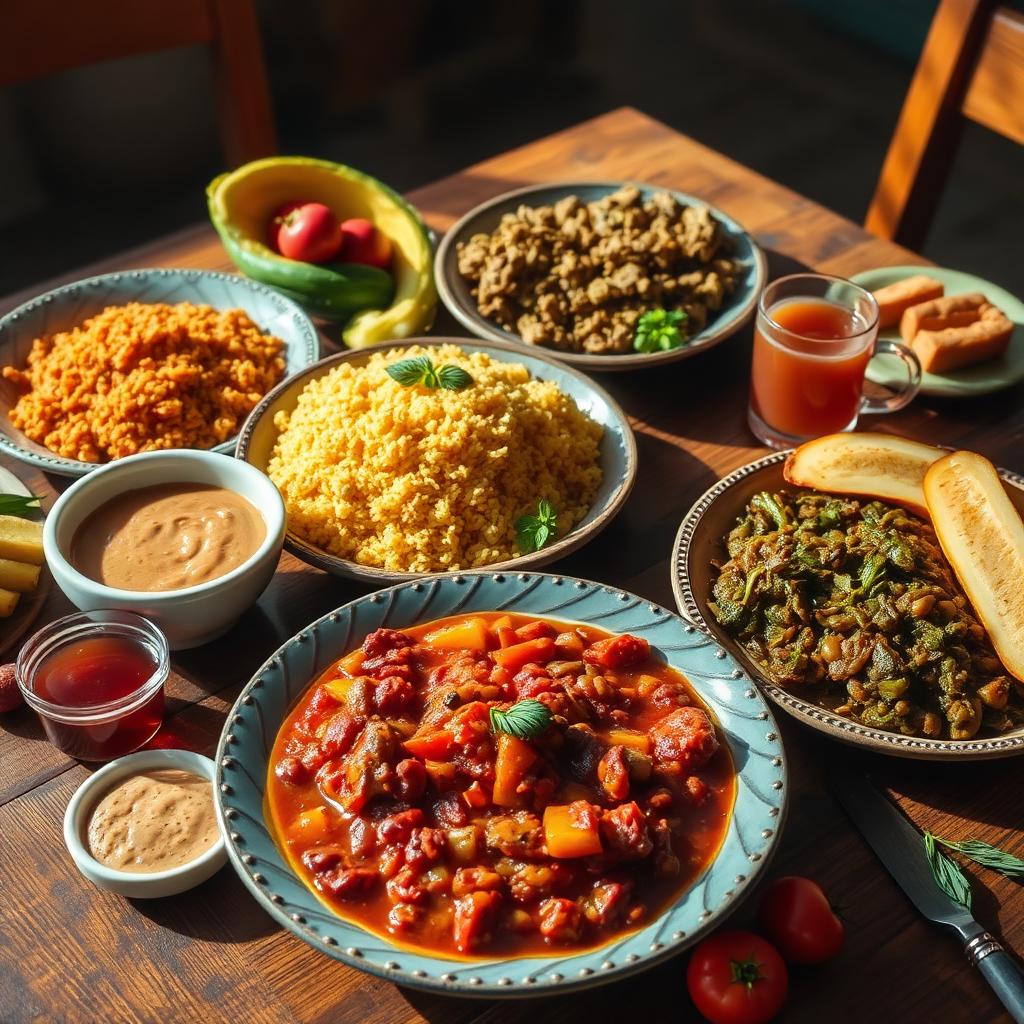
Vibrant African vegan spread: jollof rice, bean stew, morogo, plantain, peanut sauce and hibiscus tea

Body Composition

You can't out-train a bad diet

Why nutrition, not extra kilometres, drives body composition, performance and long-term health — with practical African food examples.

There is a comforting fantasy that another hour of cardio will cancel out a week of poor eating. It won't. Body composition — the balance between lean muscle, body fat, bone and water — is built and re-built primarily by what you eat, how you recover and how consistently you sleep. Exercise is the second pillar, not the first. This article reframes the goal around body composition improvement rather than the blunt, often misleading measure of 'weight loss'.

Nutrition drives body composition because food supplies the raw materials (amino acids, essential fats, vitamins, minerals) and the calorie balance that decides whether the body stores or releases fat and whether muscle is built or broken down. A 30-minute run burns roughly 300 calories; a single takeaway meal easily delivers 1,200 to 1,800. The maths of exercise-only fat loss rarely works.

Exercise alone cannot compensate for poor eating habits, but paired with a whole-food, plant-forward diet it becomes remarkable. Resistance training two to four times a week signals muscle to hold on to and grow lean tissue during a modest calorie deficit. Aerobic training improves insulin sensitivity so the carbohydrates you eat are used for energy rather than stored as fat.

Food quality and performance are inseparable. Refined flour, sugary drinks and fried foods cause blood-sugar swings, inflammation and poor recovery. Whole plants — sorghum, brown rice, sweet potato, lentils, beans, tofu, morogo, avocado, nuts and seeds — deliver steady energy, high nutrient density and the fibre that keeps hunger and cravings under control.

Protein intake is what protects lean muscle mass during body-composition work. Aim for 1.2 to 1.8 g of protein per kilogram of body weight daily, split across four to five plant-rich meals: peanut-butter oats, a lentil-and-sorghum bowl, a tofu-and-vegetable stir fry, chickpea stew with brown rice, a soy-milk smoothie with pea protein and banana.

Energy balance still matters, but it's the outcome, not the plan. Focus on quality first (whole plants, adequate protein), then on satiety (fibre, water, volume), and calories usually settle at a healthy level on their own. Chronic under-eating slows metabolism and burns muscle; chronic over-eating stores fat regardless of how much you train.

Recovery and sleep are the silent architects of body composition. Muscle grows and fat is mobilised during rest, not during the workout. Adults need 7 to 9 hours of quality sleep; less than 6 hours regularly is linked to higher body-fat percentage, reduced strength gains and increased hunger hormones.

Sustainable eating habits beat any short-term diet. The Eat More Plants approach is a long-term identity shift, not a 30-day challenge: cook at home most days, batch-cook legumes and grains, keep fruit visible, make the plant option the default option. This is how body composition changes hold for decades, not weeks.

Actionable tips you can start today

  • Anchor every meal around a plant protein: lentils, beans, chickpeas, tofu, tempeh or peanuts.
  • Fill half your plate with vegetables — leafy greens like morogo, plus a rainbow of colour.
  • Choose whole-food carbs (sorghum, brown rice, sweet potato, amadumbe) over refined flour and sugar.
  • Eat within 60 minutes after strength training: brown rice with beans, or a soy-milk smoothie with fruit.
  • Prioritise sleep before extra cardio — 7 to 9 hours is non-negotiable for body composition.
  • Batch-cook one grain and one legume every Sunday to make weekday plant meals effortless.
  • Ditch the scale for a tape measure and how your clothes fit — body composition rarely tracks with weight.
GoalWhat it meansNutrition focusTraining focus
Build muscleIncrease lean tissue and strengthSlight calorie surplus, 1.6 to 2.0 g protein per kg, whole-food carbs around trainingProgressive resistance training 3 to 5 times per week
Reduce body fatLower fat mass while keeping muscleModest 300 to 500 calorie daily deficit, 1.6 to 2.2 g protein per kg, high fibre and waterResistance training 2 to 4 times per week plus daily walking
Maintain lean muscle massPreserve what you have, especially over 40Calories at maintenance, 1.2 to 1.6 g protein per kg, spread across mealsResistance training 2 to 3 times per week
Improve overall healthBetter bloods, energy, sleep and moodWhole plants, minimal ultra-processed food, plenty of vegetables and legumes150 minutes moderate activity per week plus 2 strength sessions
Body composition goals at a glance
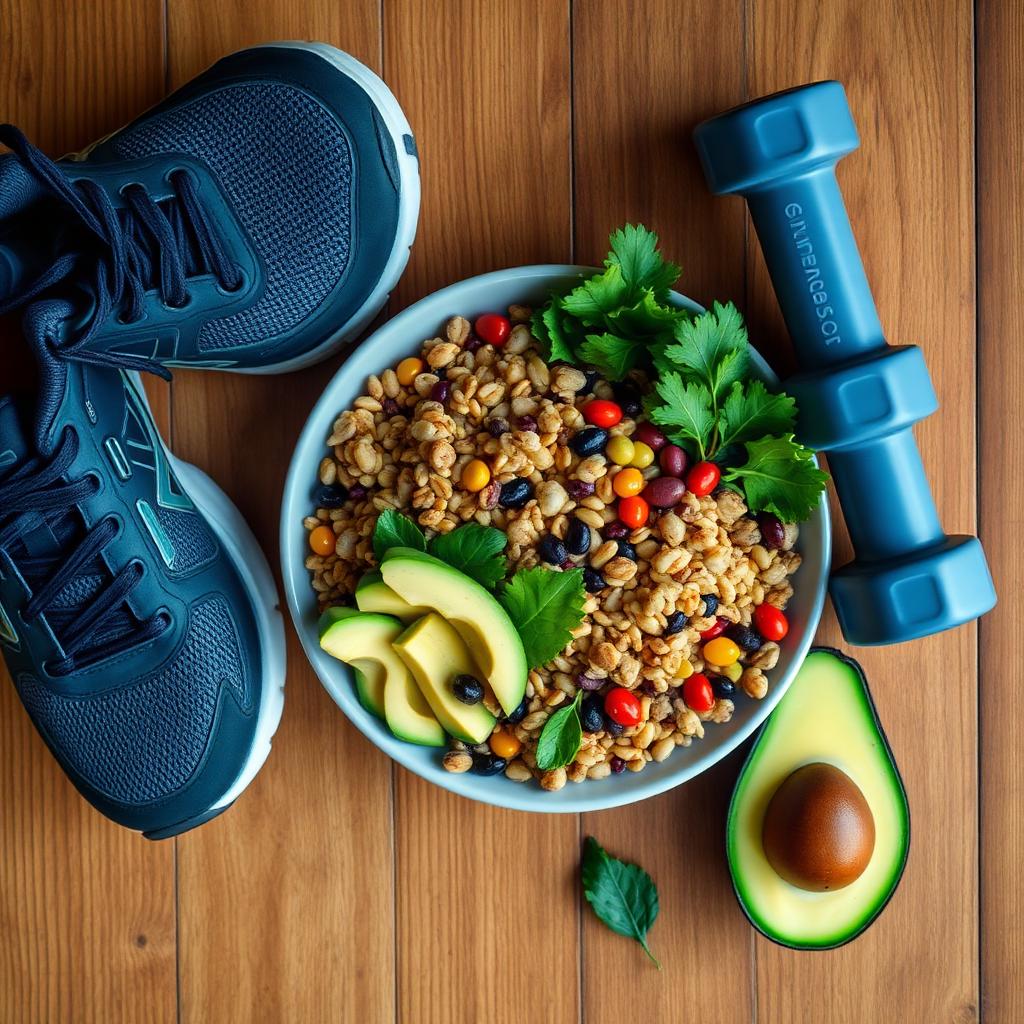
Colourful African plant-based bowl of grains, beans, greens and avocado beside running shoes and a dumbbell